3D Animation

3D animation makes it possible to show products, technology and processes that are difficult or impossible to film. It can reveal how something is built, how it works, what happens inside it, or visualise an idea before the physical product exists.

Google Review Clutch Review
Paslaugos Review

Trusted by Leading Brands

When 3D Is the Right Method

+

Good fit when…

+

You need to clearly show a product’s form, materials, internal structure or how it works.

+

The product does not exist yet or cannot be filmed in a practical way.

+

You need to reveal the inside of an object, how a mechanism works, a cutaway or a process that a camera cannot capture.

+

The same 3D elements need to be reused across video, still images or other visual materials.

–

Not the best fit when…

–

The main goal is to explain an idea, service or process clearly, while three-dimensional form is not essential.

–

Real people, authentic environments or real-life situations are more important.

–

The message can be communicated more simply and clearly through 2D animation, filmed footage or a combination of methods.

–

The budget is limited and 3D production would not add enough value to justify the additional cost.

What We Can Show With 3D

3D can do much more than present a product. It can explain how things work, demonstrate use, create characters and environments, or visualise scenes and effects that would be difficult to film.

Product & Packaging

Product & Packaging

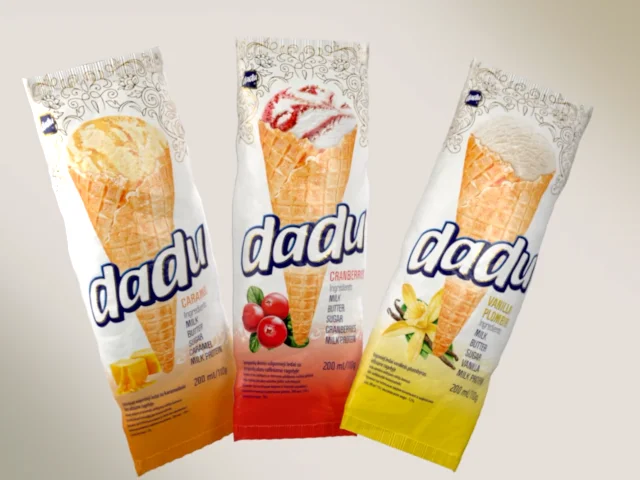
Show a product’s form, materials, packaging and key details from different angles, or create visuals before the physical product exists.

Structure & How It Works

Structure & How It Works

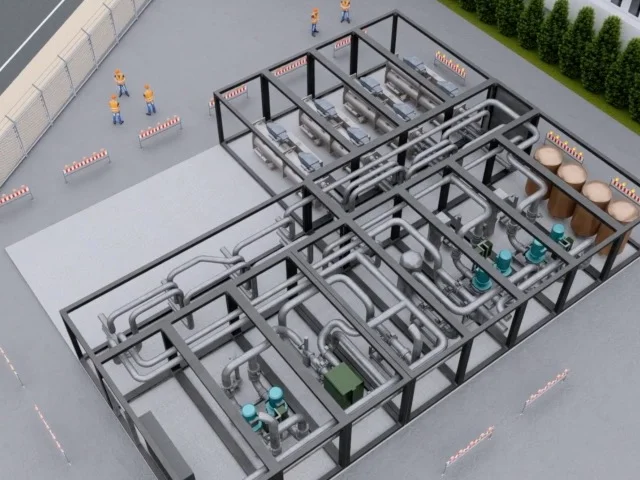
Reveal what cannot be seen from the outside: internal structure, individual components and how a product, mechanism or complete system works.

Use & Instructions

Use & Instructions

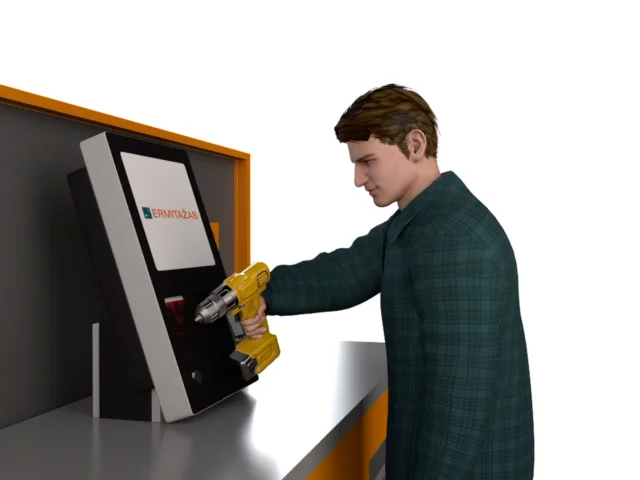
Show clearly how a product is used, assembled, installed or maintained, without the practical limitations of filming every step.

Characters & Stylised Environments

Characters & Stylised Environments

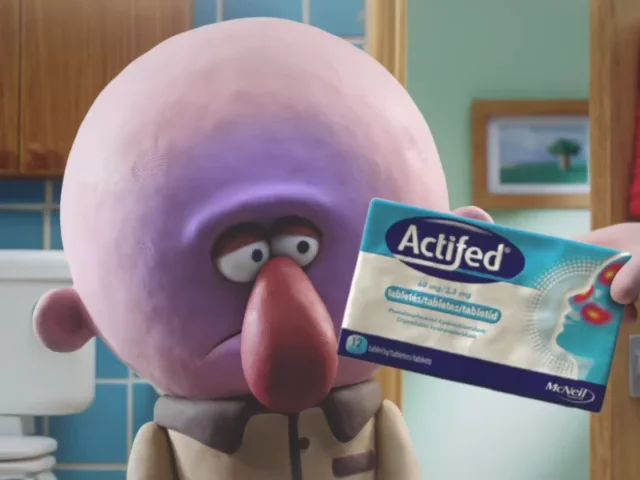
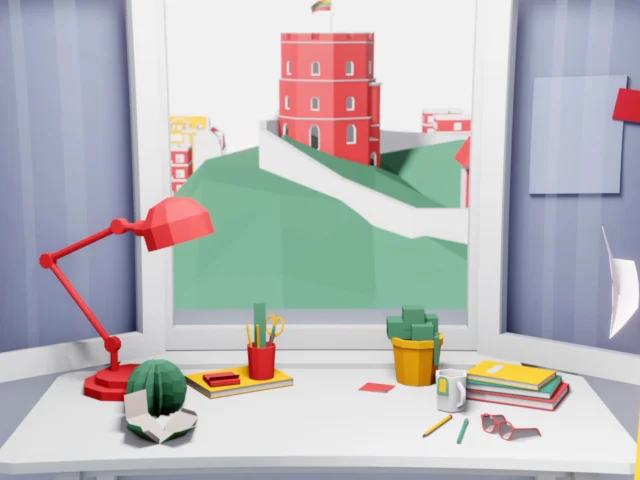
3D does not have to be realistic or technical. Stylised objects, characters and environments can create a distinctive visual world for advertising, education or storytelling.

Worlds & Large Spaces

Worlds & Large Spaces

Create cities, environments and large-scale scenes that would be difficult or impossible to film, with complete freedom to move the camera through the space.

Liquids & Visual Effects

Liquids & Visual Effects

Show liquids, ingredients and other visual effects in ways that would be difficult to achieve through filming, helping emphasise product qualities or create a more expressive scene.

How We Create 3D Animation

Brief & Method Fit

We clarify the audience, goal, intended use, scope and available source material. This is also where we confirm whether 3D is actually the right method for the brief.

Approval: goal, audience and project scope.

Concept, Script & Storyboard

When the project needs concept or script development, we shape the message and scene logic first. The storyboard lets us review the story and key shots before 3D production begins.

Approval: message, script and storyboard.

Asset & Model Plan

We review client 3D or CAD files, drawings, photography and other approved references. We decide what can be used, what needs preparation or modelling, and which details are critical.

Approval: geometry and critical details where relevant.

Look Development & 3D Animatic

We define materials, lighting and the overall visual direction. A 3D animatic lets us test cameras, scene duration, object movement and pacing before final rendering.

Approval: look, cameras, timing and key movement.

Animation, Render & Finish

We finish the approved plan through animation, lighting, rendering, compositing, graphics and sound. Reviews happen at agreed stages so approved decisions do not need to be rebuilt late in production.

Approval: agreed drafts and final visual finish.

Delivery & Versions

We prepare the master video and agreed additional outputs — formats, cutdowns, languages, stills or loops when they are included in the project scope.

Approval: final master and deliverables checklist.

How a 3D Project Can Start

A 3D project can start from an existing model, drawings, photographs or even an early idea. We review what you already have and help determine what else is needed to begin production.

When You Already Have a 3D or CAD Model

We first check whether the model can be used for animation. If needed, we prepare and optimise it, then confirm the key details before moving on to materials, camera work and animation.

  • Review of 3D / CAD files
  • Model preparation for animation
  • Confirmation of key details
  • Materials, camera and animation plan

More From the Same 3D Assets

Once the 3D models and scenes are created, they can be used for more than a single master video. From the same project, we can prepare different format versions, high-resolution stills, short seamless loops and adaptations for other languages.

16:9
16:9
1:1
9:16
EN   LT   DE

3D Animation Pricing

Clear packages for common 3D projects. Prices are indicative and may vary depending on project scope and complexity.

BASIC

If you have a production-ready 3D model and a clear idea of how you want to present your product or service – this option is for you.

Pre-production

  • Script
  • Storyboard
  • 3D animatic

3D design

  • Client-supplied 3D or CAD model
  • Custom 3D modeling
  • Detailed 3D modeling
  • Materials & texturing
  • Style frames

Animation

  • Camera & object animation
  • Exploded views
  • 3D simulations
  • Character animation

Sound

  • Voiceover
  • Music
  • Sound effects
  • Audio mastering

Resolution

  • Full HD

Production

  • Approx. 2–3 weeks
  • 3 rounds of revisions

STANDARD

If you want a custom 3D video created specifically for your project, with modeling, a refined visual style and dynamic animation – this option is for you.

Pre-production

  • Script
  • Storyboard
  • 3D animatic

3D design

  • Client-supplied 3D or CAD model
  • Custom 3D modeling
  • Detailed 3D modeling
  • Materials & texturing
  • Style frames

Animation

  • Camera & object animation
  • Exploded views
  • 3D simulations
  • Character animation

Sound

  • Voiceover
  • Music
  • Sound effects
  • Audio mastering

Resolution

  • Full HD

Production

  • Approx. 4–6 weeks
  • 5 rounds of revisions

PREMIUM

If your product or technology is complex and you need to show its structure, operating principles, cutaways or individual functions in detail – this option is for you.

Pre-production

  • Script
  • Storyboard
  • Detailed 3D animatic

3D design

  • Client-supplied 3D or CAD model
  • Custom 3D modeling
  • Detailed 3D modeling
  • Materials & texturing
  • Style frames

Animation

  • Cinematic 3D Animation
  • Exploded views
  • 3D simulations
  • Character animation

Sound

  • Voiceover
  • Music
  • Sound effects
  • Audio mastering

Resolution

  • 4K

Production

  • Approx. 7–9 weeks
  • 7 rounds of revisions

What Our Clients Say

Laimis Bratikas

Laimis Bratikas

Ministry of Energy of the Republic of Lithuania

“Pocket Films created an introductory video for Offshorewind.lt that was both visually engaging and informative. Combining 2D and 3D animation helped us communicate important information clearly.”

Mads A. Kjærås

Mads A. Kjærås

ENWA — Data Center Heat Recovery

“We worked with the studio on a modular energy system project together with Enso Projects. They turned raw CAD files and complex blueprints into a clear, polished 3D video showing how Enwa’s water treatment system integrates into the wider solution. The whole process was smooth, and I’d gladly recommend the team for technical 3D animation projects.”

Gintautas Valickas

Gintautas Valickas

VMI

“For an educational video about taxes for children, we spent a lot of time deciding between 2D and the technically more complex 3D approach. Choosing 3D allowed the team to create a lively, child-friendly world with different characters and situations that made a complex topic clear and engaging. The process was professional, communication was clear, and the project was delivered on time.”

Frequently Asked Questions About 3D Animation

3D is a good fit when you need to show a product’s form, materials, internal structure or how it works, or when the product does not yet exist or cannot be filmed effectively. If the main goal is to explain an abstract idea, service or process, 2D animation, filmed footage or a mixed approach may sometimes be a better fit.

Yes. We can join at an early stage, help define what the video needs to communicate, and develop the script, storyboard and visual direction. If you already have a clear concept or finished script, we can also start later in the production process.

No. If you already have a 3D or CAD model, we first review whether it is suitable for animation and what preparation it may need. If no model exists, we can create one from drawings, diagrams, photographs, sketches or other available reference material.

Yes. 3D is particularly useful for showing things a camera cannot capture: internal structure, individual components, cutaways, exploded views, assembly sequences or how a mechanism works. For technical projects, key details and operating logic are reviewed with you or your technical specialist during production.

No. 3D can be realistic, technical, minimal or stylised. We choose the visual approach based on what needs to be shown, the audience and where the video will be used. 3D can also be combined with 2D, filmed footage or other methods within the same project.

A 3D animatic is a simplified moving version of the future video that lets you review scene timing, camera movement and key object actions before final production. It is the best stage to confirm that everything is working correctly and make larger changes before final animation and high-quality rendering.

Revisions are handled in stages, so key decisions such as the model, visual direction and animatic are approved before final production. One revision round means one consolidated set of feedback at an agreed stage. If an approved part of the project is reopened later, it may affect the scope, timeline and cost.

Timing and cost depend on more than the length of the video. Important factors include whether you already have a usable 3D model, how much needs to be modelled from scratch, the required level of detail, animation complexity, cutaways, simulations, characters, additional formats and language versions. Indicative packages, timelines and prices are shown above; the final quote is confirmed after we review the project.

The same project can be adapted into different formats, high-resolution stills, short looping clips, shorter video versions or adaptations for other languages. It is best to discuss these needs at the start so they can be planned into production.

A short brief is enough to get started: what you need to show, who the video is for, where it will be used, the approximate duration, and any 3D or CAD models, drawings, photographs or other material you already have. A target deadline and budget range also help us recommend the right approach more quickly. If some details are still unknown, we can start from a broader brief.

3D Is Not the Only Way to Bring an Idea to Life

Different video projects call for different approaches. Sometimes 2D animation communicates the idea most clearly, sometimes combining 2D and 3D creates the strongest result, and in other cases AI can meaningfully expand the creative possibilities. Tell us what you need to show and we’ll help choose the right approach.

Not sure which approach is right for your project?

Tell us briefly what you need to show and we’ll help you choose the right direction.

Share a few details about your project and we’ll get back to you.