2D Animation

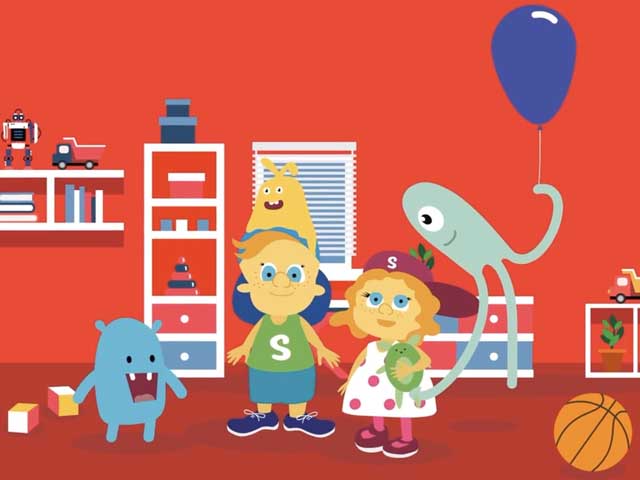
From memorable TV commercials and music videos to educational content. 2D animation offers complete freedom to create unique worlds and vivid characters without the limitations of physics. It is a versatile and flexible format that turns your vision into moving, emotionally engaging imagery.
12+ Years Experience
400+ Completed Projects
100% Custom Visuals
5/5 Client Rating
2D Animation

What is 2D Animation?

2D Animation

It is a classic form of animation experiencing a renaissance today. Using vector graphics, frame-by-frame techniques, or motion graphics, we create movement in a two-dimensional space. This represents an artistic expression suitable not just for business presentations, but for TV commercials, brand image videos, or entertainment. 2D animation allows for complete control over style: from retro hand-drawn looks to modern, minimalist designs.

Why is 2D animation the best choice?


  Cost-Effective Solution (Budget)

2D animation is often more budget-friendly than 3D graphics or live-action shoots because it eliminates the need for expensive equipment, actors, or long rendering times. This allows you to allocate the majority of your investment to the script and creative concept, ensuring high quality at an accessible price.
  Unlimited Imagination

In the 2D world, the laws of physics and logical limitations do not apply—here we can make elephants fly or turn abstract ideas into visual reality. This freedom allows for the creation of unique, memorable metaphors that help viewers instantly grasp even the most complex information.
  Simplifying Complex Ideas

When you need to present invisible processes, such as software, financial services, or medical procedures, 2D graphics are indispensable. It allows you to distill the essence, remove visual noise, and present information in a way that any viewer can understand.
  Brand Consistency

2D animation allows for complete control over visual style and can be 100% adapted to your company brand guidelines. We can use your exact brand colors, fonts, and graphic elements, ensuring consistent communication across all channels.
  Emotional Connection

Hand-drawn characters and artistic styles create a warm, human connection often missing in colder 3D graphics or stock footage. Viewers identify more easily with animated heroes, making your message not just informative, but emotionally resonant.
  Flexibility & Easy Updates

This is one of the most flexible formats available—if your service description or price changes a year later, adjusting the animation is significantly easier and cheaper than organizing a reshoot. Additionally, 2D graphics are easily adapted for vertical social media formats.

Which to choose: 2D or 3D Animation?

While both formats are powerful tools for visual communication, they serve different purposes and create distinct emotional impacts. The choice depends not only on the budget but also on the specific message you want to convey to your audience.

2D ANIMATION

Stylistic Freedom & Emotion. 2D animation is ideal when you want to convey abstract ideas, metaphors, or create a warm, artistic impression. It has no physical limitations, allowing for playful humor and unique styling.

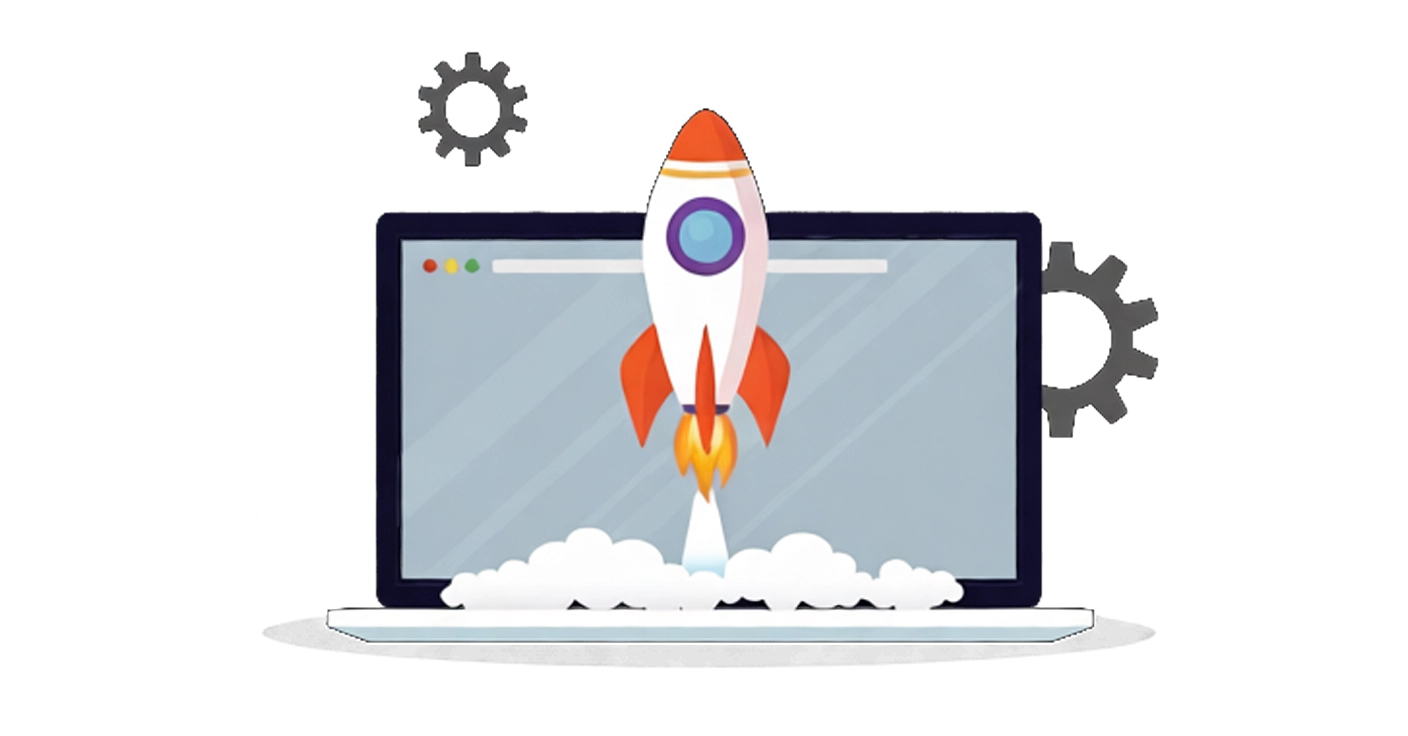
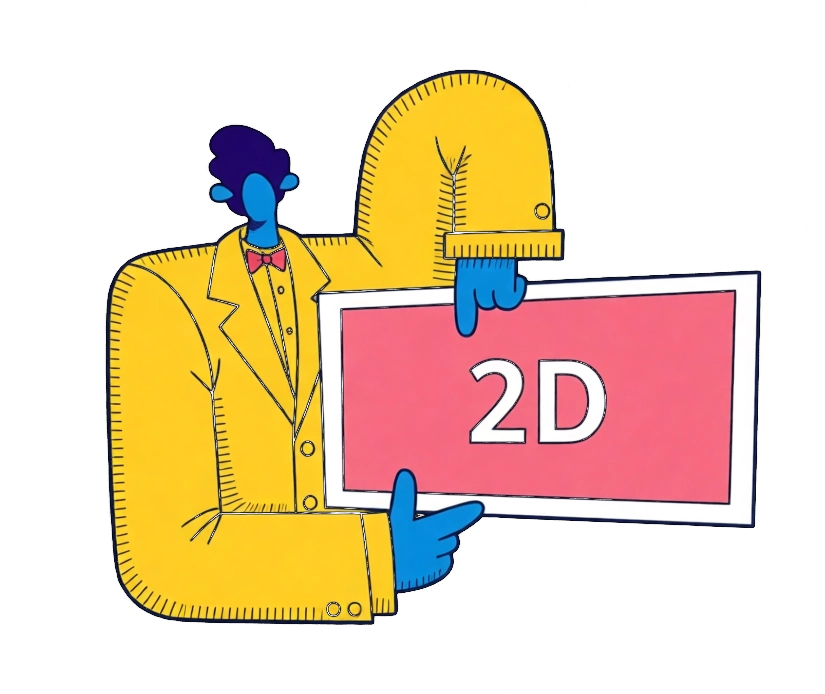
For example, the rocket on the left is a classic example of 2D graphics: it is a flat object ("flat design") created using clean lines and solid colors. There is no realistic depth or complex light refraction here—the focus is on shape, color harmony, and visual clarity. This is the perfect choice for narratives that require artistic interpretation rather than strict photorealism.

3D ANIMATION

Realism & Depth. 3D animation is indispensable when you need to showcase a product or environment with maximum accuracy. It provides cinematic depth and allows objects to be inspected from a 360-degree angle.

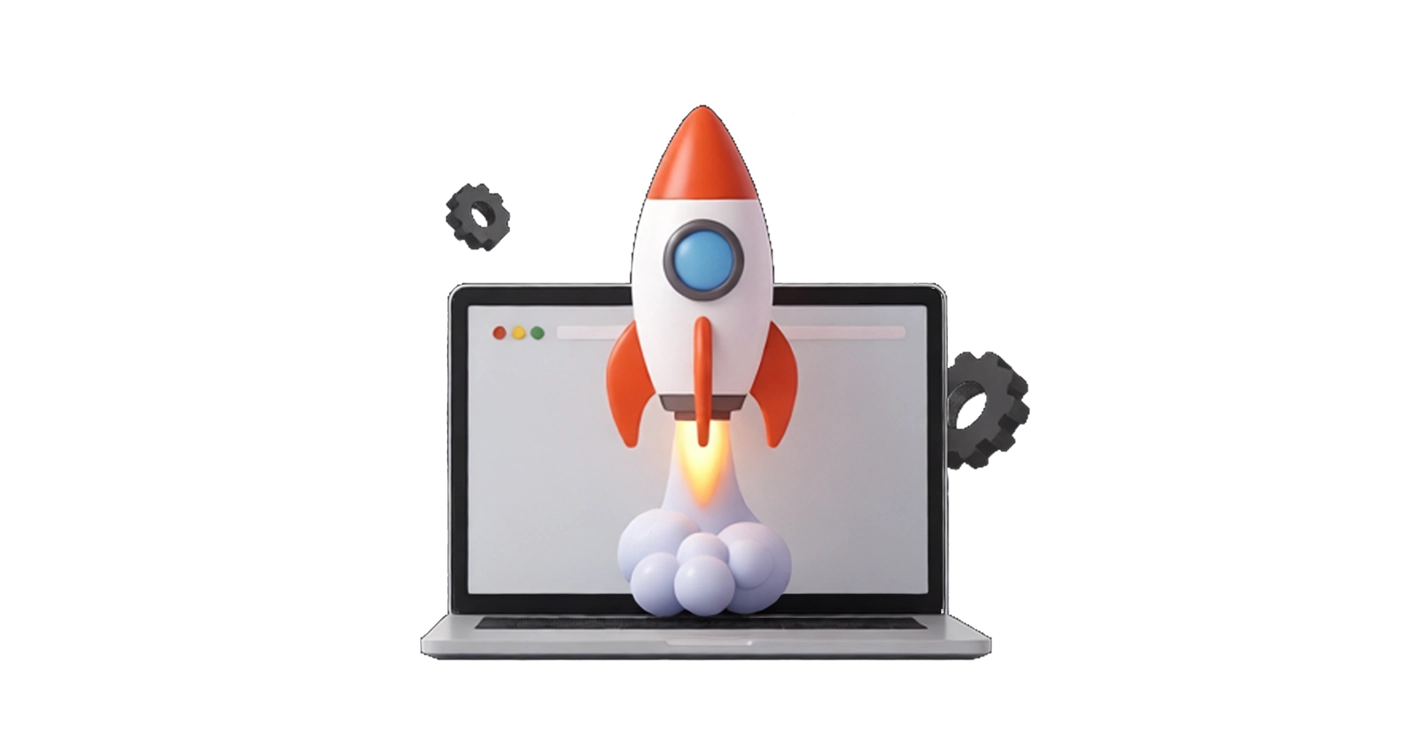
On the right side, you see the same rocket, but created in 3D space: it has volume, realistic shadows (ambient occlusion), and complex lighting. We can see how light hits the surface, creating gloss and a sense of material texture. This rendering gives the viewer the feeling that they could touch the object, making 3D the best choice for technological products and creating a "Premium" class image.

3D Render 3D
2D Illustration 2D
Drag to reveal

2D Animation Examples

Archimedes

Client: Archimedes

Duration: 82s

Industry: Technology

Coolbet

Client: Coolbet

Duration: 79s

Industry: Gaming

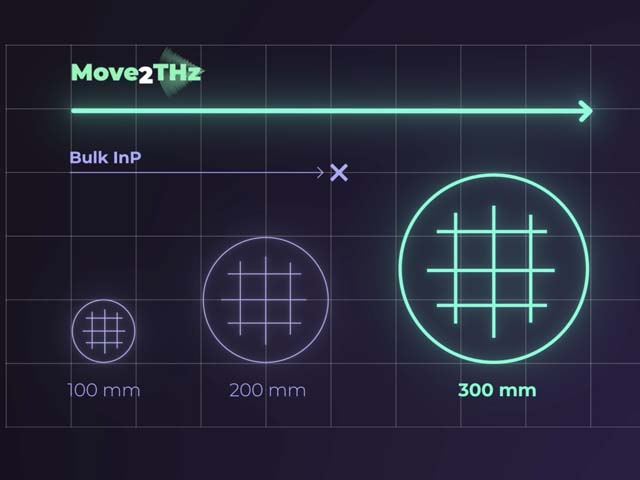
Move2THz

Client: Move2THz

Duration: 87s

Industry: Technology

Hyarchis

Client: Hyarchis

Duration: 76s

Industry: AI Technology

Susisiekimo Paslaugos

Client: Susisiekimo Paslaugos

Duration: 120s

Industry: Public Sector

TeraGlobus

Client: TeraGlobus

Duration: 106s

Industry: Medical

Rebecca

Client: Rebecca

Duration: 90s

Industry: Technology

Unipark

Client: Unipark

Duration: 32s

Industry: Technology

Ruptela

Client: Ruptela

Duration: 81s

Industry: Automotive Tech

Vilniaus universitetas

Client: Vilniaus universitetas

Duration: 67s

Industry: Education

MK Technika

Client: MK Technika

Duration: 66s

Industry: Ventilation Tech

Samsonas

Client: Samsonas

Duration: 10s

Industry: Food Products

We have created videos for these brands

How we create 2D animation?

While 2D animation might seem technically simpler than 3D, its creation requires a meticulous script, artistic style, and a sense of rhythm. Here is how an idea turns into a moving image.

OUR PROCESS

Questionnaire

Step 1

Concept & Goals

Step 1 Mobile

Every successful project starts with a clear vision. In this stage, we don't just listen to your needs; we analyze them: which animation style (from minimalist graphics to hand-drawn classics) best reflects your brand or idea? We define the tone, duration, and format of the video, creating a solid foundation for the work ahead.

Step 2

Scriptwriting

Script

In animation, a script is more than just words—it’s a guide for visual rhythm. When writing, we already think in visuals: how words translate into movement and how visual metaphors enhance the story. Whether it's dialogue between characters or a voiceover, the text must be tightly woven with the upcoming imagery to keep the viewer engaged from start to finish.

Script
Kadruotė

Step 3

Storyboarding

Storyboard

This is the "architectural blueprint" of your future video. We sketch every scene, planning camera angles, transitions, and composition. This is a critical stage where you see the entire visual flow of the narrative before coloring begins. Storyboarding helps avoid costly mistakes later and ensures the story flows smoothly and logically.

Step 4

Style & Characters

Styleframes

This is where color and atmosphere come into play. Our artists create several sample shots ("Style Frames") that show the final look: color palette, line style, textures, and lighting. These are like high-quality illustrations that set the artistic direction for the entire project. You approve the visual style to ensure the final result meets your expectations.

Stilistika
Iliustracijos

Step 5

Illustration

Step 5 Mobile

Once the style is approved, the major drawing work begins. Graphic designer prepares all video elements: drawing characters in various poses, creating detailed backgrounds and graphic assets. Most importantly, everything is drawn with animation in mind: characters are separated into parts (arms, legs, eyes) so animators can move them freely and naturally later.

Step 6

Voice Over

Step 6 Mobile

Sound gives animation character and soul. We select professional actors whose voice timbre and intonation best match the video's mood. Whether it's a warm narrator's voice or witty dialogue from an animated character, professional voiceover dictates the pace and emotion of the animation.

Įgarsinimas
Animacija

Step 7

Animation

Step 7 Mobile

This is the magic stage where static drawings come to life. Animators combine images into motion using laws of physics, emotion, and acting. We breathe life into characters, create smooth transitions between scenes, and ensure dynamics. This is the most time-consuming process, but it is exactly where the real impression is born.

Step 8

Sound Design

Step 8 Mobile

Visuals without sound are only half the job. At this stage, we add sound effects (SFX): footsteps, rustling, tech sounds that give the world texture. We also apply background music that enhances emotion and binds all elements together. Good sound design is what makes the viewer "feel" the video.

Muzika ir garsas
Finalising

Step 9

Finalizing

Finalizing

Final touches towards perfection. We perform compositing, add special effects (textures), correct colors, and synchronize everything into the final file. We prepare the video in the required formats—whether for TV broadcast, YouTube, or vertical formats for social media.

2D Animation Pricing

MOTION GRAPHICS

Perfect for statistics, infographics, or corporate presentations without characters. Clean style, text, and icons.

Message

  • Creative Scenario
  • Voiceover script
  • Technical Storyboard

Design

  • Style frames
  • Stock Illustrations

Animation

  • Motion Graphics (No characters)
  • Basic scene transitions
  • Logo animation
  • Subtitles

Sound

  • Voice over
  • Background music
  • Sound effects

Production time

  • 1-2 weeks
  • 3 rounds of revisions

CHARACTER ANIMATION

Most popular choice. Storytelling through unique characters. Perfect for explainer videos and commercials.

Message

  • Custom Script
  • Voiceover script
  • Detailed Storyboard

Design

  • Style frames
  • Custom Characters

Animation

  • Character Animation
  • Smooth transitions
  • Logo animation
  • Subtitles

Sound

  • Pro Voice over
  • Background music
  • Sound effects

Production time

  • 3-4 weeks
  • 5 rounds of revisions

ARTISTIC ANIMATION

Top-tier artistic expression. Frame-by-frame (hand-drawn) technique, complex transitions, and TV quality.

Message

  • TV-grade Script
  • Animatic
  • Artistic Storyboard

Design

  • Unique Art Direction
  • Artistic Illustrations

Animation

  • Frame-by-frame (Cel) Tech
  • Expressive transitions
  • Premium detail
  • Mixed Media (2D+3D)
  • Detailed logo animation
  • Subtitles

Sound

  • Pro Voice over
  • Background music
  • Sound effects
  • Audio mastering

Production time

  • 6-8 weeks
  • Unlimited revisions

Not sure which style suits you? Want to discuss a custom project? Contact us, and we will help you choose the best solution.


FAQ

Frequently Asked Questions about 2D Animation

"Explainer video" is a genre (the goal of which is to explain a product or service), while 2D animation is a technique. Although most explainer videos are created using 2D, this technique is much broader. 2D animation is used to create emotional brand image videos, TV commercials, music videos, or educational content where the goal is not just to "explain," but to create an atmosphere or tell a story.

Choose 2D animation if you want stylistic freedom, abstract metaphors, a "warmer" artistic look, or have a limited budget. 2D is perfect for characters and emotional narratives. 3D animation is indispensable when you need photorealism, precise engineering product representation (cross-sections, internal mechanisms), or want to create cinematic depth.

Absolutely. Although 2D is often associated with cartoons, using "Motion Graphics" and a minimalist style can create a highly solid, modern, and professional image. It is a perfect way to turn dry data, charts, and reports into dynamic and engaging content for banks or IT companies.

Yes – and often it is a strategically very strong choice. In a TV landscape saturated with live-action footage, stylish 2D animation stands out with its graphics, colors, and visual character. It immediately grabs attention because it looks different from standard commercials, helping the brand become more recognizable and memorable. 2D animation also allows for quick and efficient idea delivery. Compared to live-action or 3D projects, it can be implemented in a shorter time, without a film set, actors, locations, or complex equipment. As a result, it is often possible to achieve the desired result with a smaller budget without losing creative freedom. Another important advantage is flexibility. In 2D animation, you can create any situation, metaphor, or visual solution that would be difficult, expensive, or impossible to film in reality. This is especially useful in advertising, where clear, quick, and emotionally impactful storytelling is crucial. For these reasons, 2D animation in TV advertising becomes not a mass, but an exceptional and budget-friendly solution – allowing you to stand out quickly, effectively, and creatively in a competitive environment.

Do we create "Frame-by-frame" animation? Yes – this is one of our "Premium" level services. "Frame-by-frame" animation is a classic animation technique where every movement frame is drawn by hand individually. Unlike technical or procedural animation, here movement is created organically, based on the animator's hand, sense of timing, and animation principles. As a result, movements become incredibly fluid, lively, and artistic. This technique requires a lot of time, meticulous work, and high animator qualification, so due to its complexity and costs, it is used less frequently than other forms of animation. However, this is exactly what allows for achieving an exceptional, visually strong result that clearly stands out from standard solutions. We have experience working with "Frame-by-frame" animation, so if the client desires and chooses this technique, we can fully implement it – from concept to the final, highest quality result.

Yes, of course. We can work with existing characters as well as create completely new ones. If your brand already has heroes or illustrations, we adapt them for animation – prepare them for the technical animation part ("rigging"), maintaining the original style, proportions, and visual character. If you don't have characters yet, we create them from scratch based on your brandbook and visual guidelines. We take into account colors, shapes, stylistics, communication tone, and brand values so that the character naturally integrates into your overall identity. A character in animation is not just a visual element. It is a strong emotional anchor that helps establish a connection with the viewer, strengthen the narrative, and make your message more memorable and recognizable in the long run.

Yes, this technique is called "Mixed Media". It combines real filmed footage with animated elements – text, graphics, illustrations, or animated characters. In this way, animation becomes a natural part of the video and complements the live footage rather than competing with it. Technically, this means precise integration of animation into a real environment: matching scale, perspective, movement, lighting, and rhythm. Animation elements can follow camera movement, "attach" to objects or space, and interact organically with the filmed image. As a result, the final outcome looks seamless and professional. "Mixed Media" solutions are especially often used in advertising, social media, and presentation videos because they allow for clear highlighting of information, emphasizing important accents, or supplementing the story with visual explanations. This technique gives the video modernity, dynamism, and helps it stand out in the general content stream.

"Motion Graphics" is a branch of animation where text, geometric shapes, icons, charts, logos, and other graphic elements are brought to life through movement. In this type of animation, the main focus is on visual structure, design aesthetics, and clear information delivery. It is especially suitable for explainer videos, presentations, advertisements, or data visualization where it is important to convey a message quickly and understandably. Character animation focuses on characters and their storytelling. Here, not only movements are important, but also emotions, facial expressions, body language, rhythm, and character consistency. Such animation helps build a connection with the viewer, strengthens the story, and allows conveying more complex emotions or situations through hero behavior and reactions. In practice, a combination of these two techniques is most often used. Characters help tell the story and engage the viewer, while "Motion Graphics" elements help explain, accent, or structure information. This creates mixed 2D animation that combines clear information delivery with emotional storytelling and allows achieving a stronger overall result.

A standard 60-second project usually takes from 3 to 5 weeks. Simpler 2D motion graphics can be created faster (1–2 weeks), while complex "Frame-by-frame" animation can take 6–8 weeks or longer.

To start the project, the most important thing for us is to understand your idea and goal – what you want to achieve with this video clip or movie and who it is intended for. We also ask for all available material related to your brand: logo, brandbook, or other visual guidelines. If you already have a script – great, we can build on it. If not, we will help create it from scratch and prepare it so that the message is clear, persuasive, and easily understood by your audience. Often, at the beginning of the project, we send clients a brief description task – a questionnaire with essential questions. It helps set the direction, clarify expectations, and becomes the first starting point for the entire creative process.

Yes. Our process is divided into stages (script, storyboard, illustrations, animation). We ask for your approval at the end of each stage. For example, we coordinate the illustration style before starting to animate to avoid major corrections later.

We work with a wide network of professional voice-over artists, so for each project, we can offer several carefully selected voice samples. You choose the voice that best matches your brand, mood, and message yourself. We can record voice-overs in Lithuanian, English, German, Russian, Polish, and other languages. We often work with animated TV commercials intended for several different markets, so we understand the subtleties of linguistic adaptations well. In such cases, it is especially important that voice-overs in different countries maintain a similar vocal timbre, emotion, rhythm, and precise sync with the image. We have accumulated a lot of practical experience in this field and know how to achieve a consistent result even when the same ad is broadcast in several countries – for example, in Lithuania, Latvia, Estonia, or Poland. If an economical solution is relevant to the client, we can also offer AI voices. However, when creating brighter, theatrical, or emotionally complex characters, a professional announcer's voice often remains irreplaceable. Artificial intelligence is rapidly improving, but for now, it cannot yet fully replicate the nuances and emotional depth of a live actor.

Standardly, we provide a Full HD (1920×1080) .mp4 video file suitable for use on most platforms. If needed, we can prepare other formats as well: 4K resolution, square (1:1), or vertical (9:16) image adapted for social networks – Facebook, Instagram, TikTok, etc. When creating promotional or social video clips for TV screens, we always prepare the video recording according to the technical requirements of the specific television channel so that it is accepted and broadcast without issues. We have more than 12 years of experience in the video industry, so we have worked with practically all possible distribution channels. If necessary, we can prepare video files for specific cinema screen formats as well – this is an area where not all studios have the necessary experience or technical knowledge.

At the end of the project, we transfer the final animated video file to the client, prepared for convenient upload or use according to the agreed purpose and formats. The working files used to create the video clip or movie (illustrations, compositions, sound effects, and other technical project files) usually remain with the studio. This allows us to ensure orderly project maintenance and a quality result. If the client needs working files as well, we can always discuss this separately – we include their transfer in higher-priced offers or agree on it individually. We keep all projects in our archive, so if needed later, we can easily update the video clip or movie – change text, logo, contact information, or other elements without creating everything from scratch.

Sound accounts for 30-50% of a video clip's impact. In 2D animation, objects do not have natural sound, so we create it: adding sound effects (SFX), atmosphere, and music. This brings animation to life.

Vector graphics (Adobe Illustrator) allow scaling the image without loss of quality and are easier to animate ("rigging"). Raster graphics (Photoshop illustrations) look like paintings, have more textures, but are harder to change. We usually select the technique based on style and budget.

Producing a high-quality custom 2D animated commercial or 2D explainer video requires a lot of time and human resources, which also affects the budget. In short, the higher the quality, the higher the production costs. The duration of the video is directly related to the production price. This means that creating a movie longer than the standard format will take longer, so the costs will be higher. Standardly, we offer our clients three 3-5 cycles in each production stage. If an unlimited number of corrections is needed, this will affect the total production price. Accelerating the production process means more human resources and longer working hours. Especially urgent projects lead to higher costs and project budget.

Yes. After the final payment, all property rights to the created final video clip pass to you. You can use it on all channels for an unlimited time.

Usually, yes. Live-action advertising requires locations, actors, equipment, and a crew. In animation, we create everything on a computer, so the budget is more predictable and often smaller, while the possibilities are unlimited.

Yes. If you plan a video series, we create a common style and "templates" that allow subsequent episodes to be produced faster and cheaper.

Fill out the inquiry form and we will contact you.